Everyone Deserves a Good Night's Rest.
Looking for a sleep apnea dentist near you? Dr. Boris Zusin is a Diplomate of the American Board of Dental Sleep Medicine (ABDSM). We custom-fit an oral appliance for your mouth to treat obstructive sleep apnea and snoring comfortably and effectively — holding the jaw slightly forward to keep the airway open. We treat patients from the Upper West Side, Lincoln Center, and throughout Manhattan.
Medically reviewed by Dr. Boris Zusin, DDS, FAGD, MBA, MS, Diplomate, American Board of Dental Sleep Medicine (ABDSM) · Last reviewed August 21, 2026
How Does Sleep Apnea Occur?
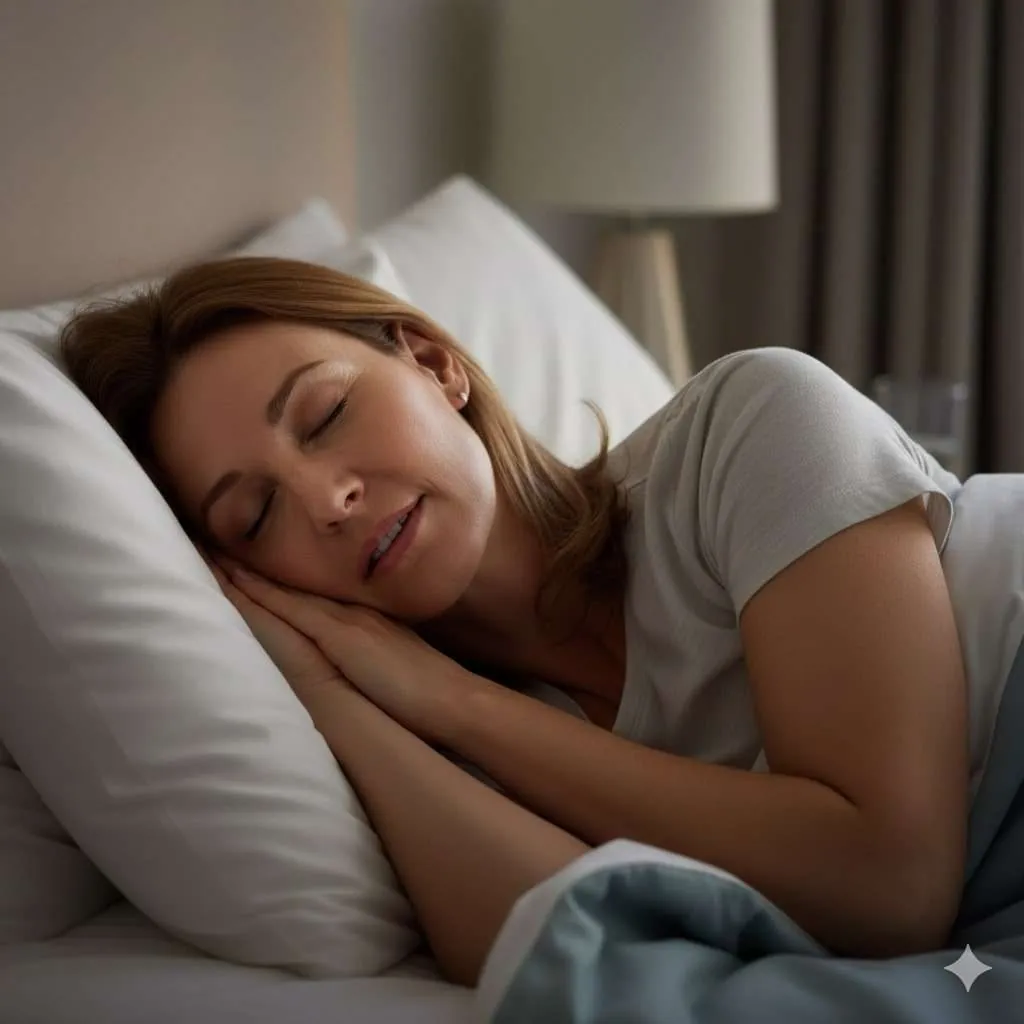
Obstructive sleep apnea (OSA) occurs when the upper airway narrows or collapses during sleep, blocking some or all airflow. Risk is higher for people with a large tongue or tonsils, who are male, older, or who carry excess weight. OSA is by far the most common type of sleep-disordered breathing, making up about 80% of cases in the U.S., according to the American Dental Association.
How We Screen for Sleep Apnea Risk
Untreated obstructive sleep apnea isn't just about feeling tired — according to a 2021 scientific statement from the American Heart Association, OSA is present in an estimated 40–80% of people with hypertension, heart failure, coronary artery disease, atrial fibrillation, or stroke, and it remains widely underdiagnosed in cardiovascular care. That's part of why a thorough airway risk screening is a standard part of your exam here, alongside the quiz above.
The Mallampati Classification
One tool we use is the Mallampati Classification — a simple, non-invasive exam where you open your mouth and relax your tongue (no sound needed) so we can see how much of your soft palate, uvula, and pillars are visible. It was originally developed to help anesthesiologists anticipate a difficult airway before surgery, but it's since become a widely used indicator of airway crowding in sleep medicine too: research has found that each one-point increase in Mallampati class roughly doubles the odds of having obstructive sleep apnea, and a Class III or IV finding is considered a meaningful risk factor.
A higher class (more of the tongue base blocking the view) generally means less room in the airway.
An honest caveat: Mallampati class is one data point, not a diagnosis on its own — some patients with a low Mallampati score (Class I or II) still have meaningful airway obstruction, so we weigh it together with tonsil size, neck circumference, jaw position, and your reported symptoms, the same factors behind the quiz above. A home or in-lab sleep study is still what actually confirms an OSA diagnosis and its severity.
Understanding Your AHI (Apnea-Hypopnea Index)
If a sleep study confirms OSA, your results include an AHI score — the average number of breathing pauses (apneas) and partial blockages (hypopneas) per hour of sleep. That number defines severity:
| Severity | AHI (events/hour) |
|---|---|
| Normal | Fewer than 5 |
| Mild | 5–14 |
| Moderate | 15–29 |
| Severe | 30 or more |
Mild-to-moderate OSA is often a good fit for oral appliance therapy; more severe cases may need CPAP, or a combination approach — Dr. Boris Zusin reviews your specific sleep study results with you to recommend what's appropriate. For a fuller breakdown of what AHI does and doesn't capture, and how it's used to guide treatment decisions, see AHI Score Explained.
Sources
- Sleep Apnea and Heart Health — American Heart Association
- Obstructive Sleep Apnea and Cardiovascular Disease: A Scientific Statement — American Heart Association, Circulation (2021)
- Mallampati Score — StatPearls, NCBI Bookshelf
- Mallampati Score and Predicting Sleep Apnea — Sleep Foundation
- Apnea-Hypopnea Index (AHI) and Sleep Apnea — Sleep Foundation
If You Also Grind Your Teeth: What's the Real Connection?
Teeth grinding (bruxism) and obstructive sleep apnea overlap often — roughly 20–50% of adults with either condition show signs of the other. But that overlap doesn't mean one clearly causes the other: most current evidence doesn't establish a consistent causal link between the two in adults (the connection looks stronger and more plausible in children). The leading theory ties both to brief arousals during sleep — grinding tends to happen right at the tail end of one of these micro-wake-ups, and a breathing pause is one of the things that triggers them. So grinding may largely be a byproduct of the same sleep disruption driving the apnea, rather than something the apnea directly causes.
Why this matters for treatment: a standard upper night guard, on its own, can in some patients reduce space in the airway — the wrong direction if sleep apnea is also present. That's part of why we assess airway risk (see the screening above) in patients who report grinding, rather than treating a night guard as a one-size-fits-all fix. When sleep apnea is confirmed alongside grinding, airway-focused therapy — CPAP or an oral appliance like Panthera that advances the lower jaw — is generally the better starting point, and treating the apnea often reduces the grinding as a side benefit, though the two don't always improve in exact proportion to each other.
Sources
- Sleep Bruxism and Obstructive Sleep Apnea: Association, Causality or Spurious Finding? A Scoping Review — Pauletto P, Polmann H, Conti Réus J, et al., Sleep (2022)
- Understanding the Clinical Management of Co-Occurring Sleep-Related Bruxism and Obstructive Sleep Apnea in Adults: A Narrative and Critical Review — Dal Fabbro C, Bornhardt-Suazo T, Landry Schönbeck A, de Meyer M, Lavigne GJ, Journal of Prosthodontics (2025)
- Sleep Bruxism in Respiratory Medicine Practice — Mayer P, Heinzer R, Lavigne G, Chest (2016)
- Effects of Continuous Positive Airway Pressure and Mandibular Advancement Appliance Therapy on Sleep Bruxism in Adults With Obstructive Sleep Apnea: A Pilot Study — Li D, Lobbezoo F, Kuang B, et al., Sleep & Breathing (2023)
Oral Appliance Therapy: An Alternative to CPAP
| Panthera Oral Appliance | CPAP Machine | |
|---|---|---|
| How it works | Gently repositions the lower jaw forward to keep the airway open | Delivers continuous pressurized air through a mask |
| Comfort / ease of use | Small, custom-fit, no hoses or electricity | Mask, hose, and machine; can feel bulky or claustrophobic |
| Travel | Fits in a pocket-sized case | Requires a travel CPAP unit and power source |
| Noise | Silent | Low hum from the motor |
| Best for | Mild-to-moderate OSA, or CPAP-intolerant patients | Moderate-to-severe OSA, especially when appliance therapy isn't sufficient |
| Compliance | Patients often find it easier to wear consistently | Effective only when worn nightly — many patients struggle with adherence |
Not everyone is a candidate for oral appliance therapy instead of CPAP — Dr. Boris Zusin will review your diagnosis and severity to recommend the safest, most effective option for you.
“Do I Have Sleep Apnea?” Quiz
“Do I Have Sleep Apnea?” Quiz
Answer all 8 questions, then click “See My Result” below.
This quiz is a screening tool, not a diagnosis. A home or in-lab sleep study is needed to confirm obstructive sleep apnea.
Low Risk (0–2 “yes”)
You likely do not have moderate to severe sleep apnea, though heavy snorers may still benefit from a consultation about snoring treatment.
Intermediate Risk (3–4 “yes”)
You're at moderate risk. It's recommended you speak with a professional about a home sleep apnea test or lab study.
High Risk (5–8 “yes”)
You're at high risk for OSA. Seeking a diagnosis is important — untreated sleep apnea can lead to serious heart and health conditions.
Care From a Team That Knows You
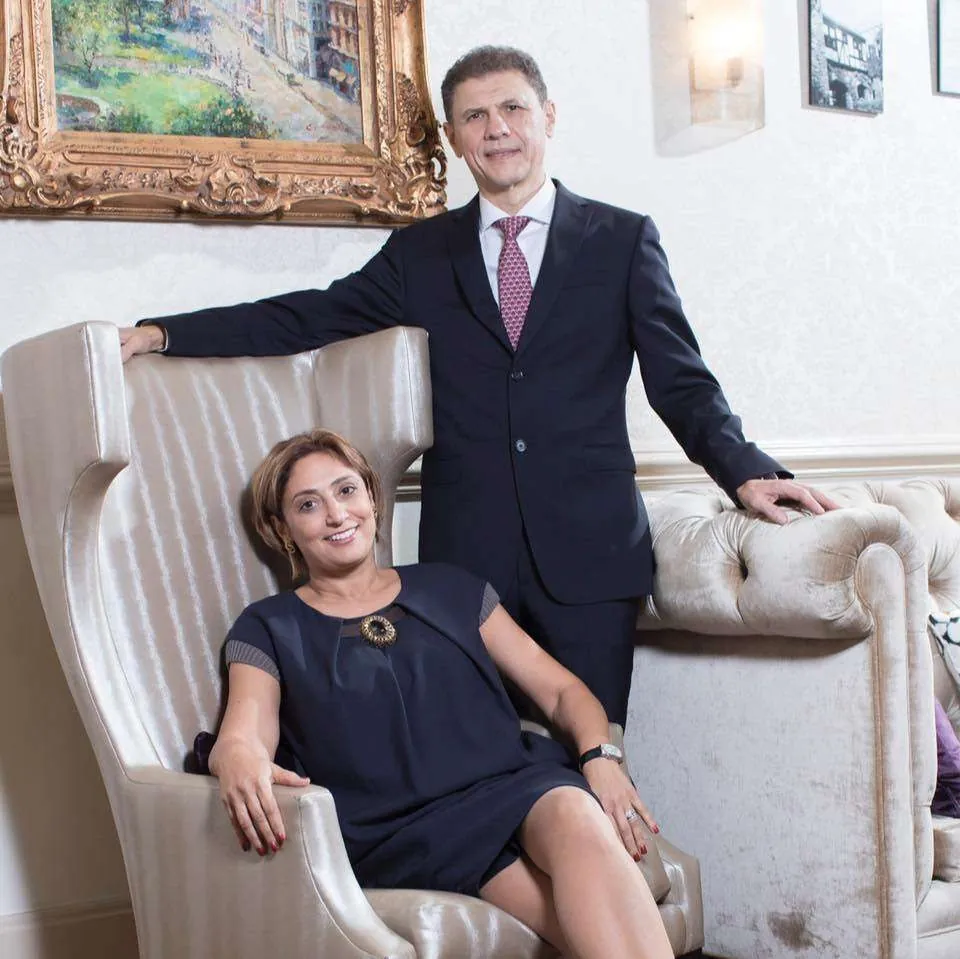
Dr. Boris Zusin is an expert in general, cosmetic, implant, and dental sleep medicine, with 30+ years of clinical experience and ongoing continuing education. Lena Zusin, RDH works alongside him to make every visit as warm and comfortable as possible.
“Drawing upon our combined skills refined through years of experience and continued education, Lena and I will do everything possible to ensure that your entire dental experience at our office is as good as possible.” — Dr. Boris Zusin
- Uncompromising clinical excellence
- Meticulous attention to detail
- A gentle approach to dentistry
Getting Here
Looking for a sleep apnea dentist near you? Zusin Dental is on the Upper West Side, near Lincoln Center — here's exactly how to find us.
Address
185 West End Ave, Suite 1G
New York, NY 10023
In the Lincoln Towers complex on West End Avenue, between West 66th and West 70th Streets.
By Subway
- 1 train to 66 St–Lincoln Center
- 1, 2, or 3 train to 72 St
By Bus
- M66 (crosstown, 66th St)
- M57 (crosstown, West End Ave)
- M11 (Amsterdam Ave)
FAQ: Sleep Apnea Treatment at Zusin Dental, NYC
Sleep apnea disrupts normal breathing during sleep, with repeated pauses and restarts. Obstructive sleep apnea (OSA) — the most common form, making up about 80% of sleep-disordered breathing cases — happens when throat muscles relax and obstruct the airway, often triggered or worsened by excess weight, smoking, and alcohol use. The irregular breathing strains the heart and is linked to cardiovascular disease, diabetes, stroke, anxiety, depression, and metabolic issues. While not usually fatal directly, long-term untreated sleep apnea significantly increases the risk of life-threatening cardiovascular events, so early testing and treatment matter.
Loud snoring, breathing pauses during sleep, waking up choking or gasping, morning headaches, dry mouth, and excessive daytime sleepiness are common signs, along with irritability and trouble concentrating. Many people don't realize they have it until a partner notices. Sleep apnea isn't limited to loud snorers — thin patients, women, and people with nasal obstruction or jaw issues can have it too, sometimes alongside jaw clenching, TMJ pain, or teeth grinding (bruxism).
Our “Do I Have Sleep Apnea?” quiz above is a good starting screen, but a diagnostic sleep test is needed to confirm the condition — either an at-home test or an in-lab sleep study, both measuring oxygen levels, airflow, snoring, and heart rate overnight. Your resulting AHI (Apnea-Hypopnea Index) score shows the severity, and a dentist trained in sleep medicine can help you understand your results and treatment options.
At-home sleep testing is simple, comfortable, and affordable — you sleep in your own bed while a small device measures breathing, oxygen, and snoring. It's a good fit for patients with moderate-to-high suspected risk who want fast answers. An in-lab sleep study (polysomnography) is more detailed, monitoring brain waves, heart rate, airflow, muscle activity, and sleep stages overnight in a medical facility — the gold standard for complex cases, central sleep apnea, severe symptoms, or CPAP titration. Both are accurate for the right patient; we can help you decide which makes sense for you.
You may be a candidate if you experience daytime sleepiness, disrupted sleep, loud or heavy snoring, morning headaches or dry mouth, or symptoms that have worsened with age. You may also be a good fit if you're overweight, have large tonsils, or have been diagnosed with sleep apnea but don't tolerate a CPAP machine well.
- Improves symptoms of obstructive sleep apnea
- An effective option for those who can't tolerate CPAP
- No electricity required
- Silent
- Easy to travel with
We take an impression of your upper and lower teeth so a dental lab can fabricate your custom appliance — typically ready within about two weeks. Dr. Boris Zusin checks the fit and makes any needed adjustments, and you'll begin wearing it nightly from there, with follow-up visits as needed.
Custom sleep apnea oral appliances generally run in the range of a couple thousand dollars, which typically covers the diagnostic work, the custom-fabricated device itself, and the follow-up visits needed to fine-tune the fit. Many medical (not dental) insurance plans provide some coverage when obstructive sleep apnea is formally diagnosed. See our full oral appliance cost breakdown and insurance coverage guide for more detail, or ask us directly during a consultation.
Often, at least partially — but through your medical insurance, not your dental plan. Oral appliances are billed as durable medical equipment once obstructive sleep apnea is formally diagnosed by a physician-ordered sleep study, and many medical plans, including Medicare, provide coverage from there, sometimes after prior authorization. Dental insurance generally doesn't apply to sleep apnea treatment at all, since it's classified as a medical rather than a dental condition. Coverage details vary a lot by plan, so we're happy to help you understand your specific benefits — see our full insurance coverage guide for what to check with your insurer before your first visit.
Both, usually together. A physician or sleep specialist diagnoses obstructive sleep apnea through a home or in-lab sleep study, and a dentist trained in dental sleep medicine — like Dr. Boris Zusin, a Diplomate of the American Board of Dental Sleep Medicine (ABDSM) — provides the oral appliance therapy itself, then works with your physician to confirm it's controlling your apnea effectively. See Sleep Apnea Dentist vs. Sleep Doctor for a fuller breakdown of who does what.
We don't fabricate the appliance ourselves at the chairside, but we take the impression or digital scan, prescribe and fit the device, and handle every adjustment visit after that. Our appliance of choice, Panthera, is digitally designed and 3D-printed from that scan to exact specifications for your bite — a more precise fit than a generic or over-the-counter mouthguard.
Zusin Dental is at 185 West End Ave, Suite 1G, New York, NY 10023 — in the Lincoln Towers complex on West End Avenue, between West 66th and West 70th Streets, a short walk from the 1 train at 66 St–Lincoln Center and the 1/2/3 at 72 St. We treat patients from the Upper West Side, Lincoln Center, and throughout Manhattan seeking sleep apnea and snoring treatment. See the map and directions below, or contact us to schedule a consultation.
Yes — Dr. Boris Zusin fits custom oral appliances as a CPAP alternative for patients throughout the Upper West Side and Manhattan, right from our New York office at 185 West End Ave, Suite 1G. If you've been diagnosed with obstructive sleep apnea and find CPAP uncomfortable, bulky, or hard to stick with, a mandibular advancement appliance like Panthera is a well-studied, FDA-cleared alternative for mild-to-moderate cases (and some moderate-to-severe cases too, depending on your situation). Schedule a consultation to see whether you're a candidate.
Zusin Dental fits and manages custom oral appliances for obstructive sleep apnea and snoring on-site at 185 West End Ave, Suite 1G, New York, NY 10023, convenient to the Upper West Side, Lincoln Center, and the rest of Manhattan by subway or bus. Dr. Boris Zusin is a Diplomate of the American Board of Dental Sleep Medicine (ABDSM), so appliance selection and fitting is handled by a dentist specifically trained and board-certified in dental sleep medicine, not a general dentist offering it as a side service. Contact us to get started.
Not quite. A boil-and-bite or over-the-counter mouthguard is a generic, one-size-fits-most device — it isn't custom-fitted to your bite and isn't designed or tested to treat obstructive sleep apnea. A custom oral appliance like Panthera is a precision medical device, digitally designed from a scan of your own teeth and jaw and manufactured to hold your lower jaw in a specific, therapeutic position. That precision is what makes it an effective sleep apnea treatment rather than just a device to protect your teeth.
Often, yes. Many patients who start on CPAP find it uncomfortable, bulky, or hard to stick with every night and ask about switching to oral appliance therapy instead — it's one of the most common reasons patients come to see us. Whether it's a good switch for you depends on your AHI severity and overall health, so we review your existing sleep study with you before recommending a change; some patients do best combining both therapies rather than replacing one with the other.
Look for a dentist with specific training and credentialing in dental sleep medicine, not just a general dentist who occasionally fits appliances. Dr. Boris Zusin is a Diplomate of the American Board of Dental Sleep Medicine (ABDSM) — the field's board-certification credential — which reflects additional training, testing, and case review specific to diagnosing appliance candidacy and managing sleep apnea therapy over time, beyond what's covered in general dental school.
Obstructive sleep apnea (OSA) — caused by the airway physically collapsing or narrowing during sleep — is by far the most common type and the one oral appliance therapy treats. Central sleep apnea (CSA) is different: it's caused by the brain briefly failing to signal the breathing muscles at all, rather than a physical blockage, and it requires medical rather than dental management. Mixed (or complex) sleep apnea involves both. If your sleep study points to a central or mixed component, we'll help coordinate you with the right physician alongside any dental treatment.
Learn More From Our Blog
- Oral Appliance vs CPAP
- Sleep Apnea Dental Solutions
- 10 Sleep Apnea Symptoms
- Snoring vs. Sleep Apnea
- Oral Appliance Cost
- Insurance & Medicare Coverage
- How a MAD Works
- The Straw Demo
- Getting Fitted: What to Expect
- MAD Titration Explained
- Predictors of MAD Success
- Positional Therapy + a MAD
- Morning Occlusal Guides & MADs
- MAD Side Effects: Temporary vs. Permanent
- TMJ Pain & a MAD
- Your Long-Term MAD Follow-Up
- Caring for Your Oral Appliance
- Dentist vs. Sleep Doctor
- Can Sleep Apnea Be Cured?
- Untreated Sleep Apnea Risks
- Panthera vs. Other Appliances
- Sleep Apnea Dentist on the UWS
- How to Stop Snoring
- Custom vs. OTC Mouthguards
- Snoring & Sleep Apnea in Women
- AHI Score Chart: What Your Number Means
- Sleep Apnea & Weight Gain
- Sleep Apnea in Children
- Central vs. Obstructive Sleep Apnea
- Sleep Apnea & Type 2 Diabetes
- Do I Need Treatment for Mild Sleep Apnea?
Ready for Better Sleep?
Schedule a consultation to find out whether oral appliance therapy is right for you.
Schedule Your Visit Call 212-877-7475Your Experience Matters To Us
5.0 out of 5 on Google (54 reviews) · 4.99 out of 5 on Zocdoc (227 reviews)
“Knowledge is an understatement when you talk about Dr. Zusin! My family and I have been patients of his for over 20 years. I always feel I am given the best advice and never pressured into any unnecessary treatment.”
Faina S. · View on Google →
“I tried a couple different dentists in NYC and Zusin Dental is the best. They are thorough, they don't try and upsell you services you don't need, and they offer appointments on Saturday. The best cleaning I ever had!”
Gordon T. · View on Google →
“Routinely SUPERB level of care, including Dr. Zusin having made himself available for emergent care when needed. The office is always spotlessly clean and there is no waiting at appointment time. Pain-free dentistry!”
Anil N. · View on Google →
“I have never experienced pain with Dr. Zusin. For a practice in busy Manhattan, their office has a small town feel, very relaxed and personable. Lena is always quick to respond to appointment requests or changes.”
Molly P. · View on Google →
“Dr. Zusin is the best dentist! I have been visiting his office for the majority of my life. He has expertly performed teeth whitening and Invisalign, and continued to save my teeth after I chipped my two front teeth.”
Sasha S. · View on Google →
“The West End office is state of the art and very relaxing. Dr. Zusin and Lena are a great team. No matter the dental problem you will get the best results. I highly recommend them.”
Domingo Q. · View on Google →