
What Is an Endodontist? (And Why We Refer Root Canals to One)
An endodontist is a dentist who's completed extra years of training focused entirely on the inside of the tooth — here's what that means, and why it's who we send our root canal patients to...
By Dr. Boris Zusin · Published August 1, 2026
If we've told you that you need a root canal and that we're referring you to an endodontist, you may be wondering exactly what that means — and why you're not just staying in our chair for the procedure.
Extra Training, Narrower Focus
An endodontist is a dentist who has completed an additional two or more years of specialized training beyond dental school, focused entirely on the tissue inside the tooth — the pulp, nerves, and root canal system. According to the American Association of Endodontists, that concentrated training and daily repetition is exactly what makes root canal treatment more predictable and more comfortable in an endodontist's hands.
Specialized Tools for a Precise Job
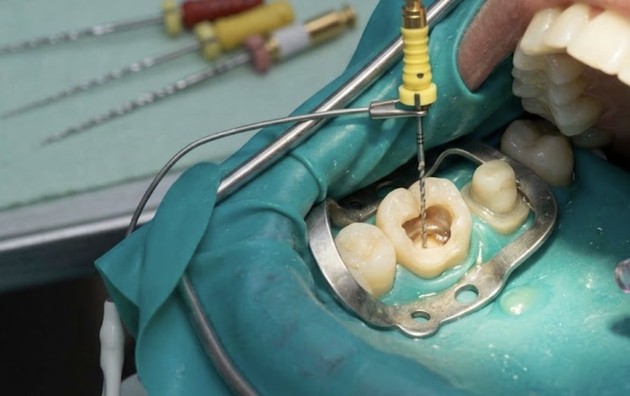
Root canals happen inside canals that are often narrow, curved, and sometimes branch in ways that are difficult to see without the right equipment. Endodontists typically work with operating microscopes and advanced imaging built specifically for navigating that anatomy safely — tools that aren't standard equipment in most general dental offices, ours included.
Why We Refer Instead of Treating Root Canals In-House
We could technically attempt a root canal ourselves, but we don't think that's the right standard of care when a specialist who does this procedure daily is available. We partner with endodontists we know and trust, coordinate the referral so nothing gets lost in the handoff, and then handle your restoration — usually a custom crown — once the root canal itself is complete.
Think you might need a root canal? Read more about how we handle the referral and restoration process.
Sources
- What is a Root Canal? — American Association of Endodontists (AAE)
- What's the Difference Between a Dentist and an Endodontist? — American Association of Endodontists (AAE)
Related to This Article
Have a Dental Question of Your Own?
Reach out and we'll help you find the right next step.
Schedule Your Visit Call 212-877-7475