Deep Cleaning (Scaling and Root Planing): What It Actually Involves
If you've been told you need a 'deep cleaning' rather than a regular one, here's what scaling and root planing actually involves, plus the real evidence-based timeline for what to expect afterward...
By Dr. Boris Zusin · Published August 1, 2026 · Updated September 5, 2026
If we've recommended a “deep cleaning” rather than your usual routine cleaning, it's a genuinely different procedure — not just a longer version of the same thing.
What Scaling and Root Planing Actually Means
Scaling and root planing is a two-part treatment aimed specifically at gum disease. Scaling removes plaque and tartar from both above and below the gumline, going down to the base of each gum pocket. Root planing then smooths the surface of the tooth root itself, removing rough spots where bacteria tend to collect and making it easier for your gums to reattach cleanly to the tooth.
Why It's Recommended
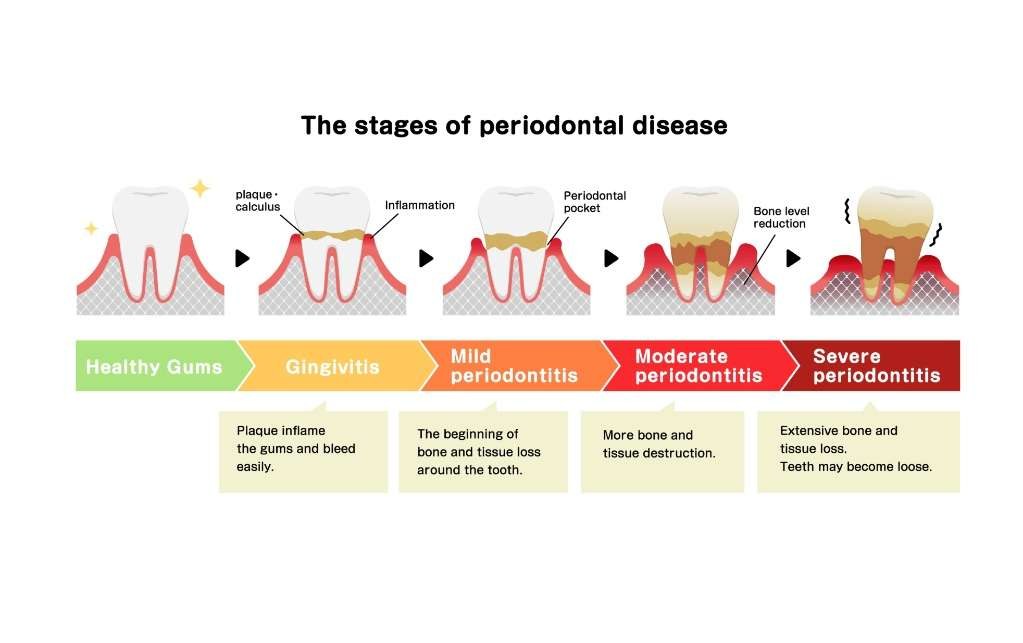
A deep cleaning is typically recommended when the pockets between your gums and teeth have deepened beyond what a regular cleaning can effectively reach — a sign of periodontitis, the more advanced stage of gum disease. The American Dental Association's evidence-based clinical guideline confirms scaling and root planing is genuinely beneficial for patients with this diagnosis, and separately classifies its overall adverse effects as negligible — the main expected effects are some discomfort the day of and after treatment, and a temporary rise in tooth sensitivity within the first week.
What to Expect: Mild Soreness and Sensitivity Are the Norm
Mild soreness, gum tenderness, and short-lived tooth sensitivity — especially to cold — are the expected norm after a deep cleaning, and they typically settle within days, with root and dentin sensitivity resolving over about 2–4 weeks. A study using a validated pain-rating scale found that most patients report faint-to-moderate pain that peaks roughly 2–8 hours after treatment (on average, around the 3-hour mark), lasts about 6 hours, and is back to pre-procedure levels by the next morning. Only about 23% of patients in that study took anything for the pain at all, and needing pain relief beyond the day of treatment itself is unlikely for most people.
If local anesthetic was used, numbness in the lip, tongue, or cheek resolves over one to several hours — avoid chewing on that side until feeling returns.
Gum soreness and minor bleeding when brushing for a few days is common as the tissue heals. The connective tissue itself takes about 4–6 weeks to fully heal, which is exactly why we schedule a re-evaluation visit at that interval — it gives the tissue time to respond before we assess how well it worked.
Cold and root sensitivity often increases, somewhat counterintuitively, right after treatment — this happens because the procedure removes plaque and tartar that had been sitting on and partly insulating the root surfaces. Sensitivity scores tend to rise over the first week, then decline over the following roughly three weeks, returning close to your pre-treatment baseline by the 2–4 week mark. For most patients this is mild-to-moderate and affects only a handful of teeth, not the whole mouth.
A brief, mild fever in the first 24 hours can occur, particularly after a full-mouth deep cleaning done in one visit rather than split across several — this reflects your body's normal inflammatory response to the treatment, not an infection.
Managing the First Few Days
An over-the-counter NSAID like ibuprofen, or acetaminophen, manages most of the discomfort for most patients — timing a dose to cover that 2–8 hour peak window is reasonable. If you have kidney or liver disease, ask us which option and dose is appropriate for you specifically.
Skip spicy, sharp-edged, or crunchy foods and anything containing alcohol (including some mouthwashes) for about 24 hours, and hold off on seeds or husks for 3–5 days, since they can lodge in the healing gum tissue. Warm saltwater rinses — about a teaspoon of salt in 8 ounces of warm water, three times a day — help keep the area comfortable until it settles.
Resume gentle but thorough cleaning of the treated areas: an extra-soft brush for the first day or two, gentle flossing at those sites, and your normal routine everywhere else. Oral irrigators (like a Waterpik) can resume after 24 hours. Good home care and keeping your maintenance visits is what actually determines whether the results hold up long-term — the deep cleaning itself is the reset, not the whole solution.
If sensitivity is bothering you, a desensitizing agent applied in-office (potassium oxalate, CPP-ACP, or a HEMA/glutaraldehyde product) works by occluding the exposed tubules on the root surface, and a desensitizing toothpaste is a reasonable option to use at home in the meantime.
When to Call Us Instead of Waiting It Out
- Pain or sensitivity that's getting worse, or that hasn't started improving, past about one to two weeks.
- A fever that lasts beyond the first day, swelling that's spreading rather than staying put, or any pus or discharge — these point toward infection rather than ordinary healing.
- Spontaneous, lingering, or throbbing tooth pain, or pain specifically triggered by heat — this pattern suggests the tooth's nerve is involved rather than simple root-surface sensitivity, and is worth an exam.
If a deep cleaning has been recommended for you, learn more about our approach to non-surgical periodontal treatment.
Sources
- Scaling and Root Planing for Gum Disease — MouthHealthy, American Dental Association (ADA)
- Tooth Scaling and Root Planing — Cleveland Clinic
- Pain After Periodontal Scaling and Root Planing — Pihlstrom BL, Hargreaves KM, Bouwsma OJ, et al., Journal of the American Dental Association (1999)
- Evidence-Based Clinical Practice Guideline on the Nonsurgical Treatment of Chronic Periodontitis by Means of Scaling and Root Planing With or Without Adjuncts — Smiley CJ, Tracy SL, Abt E, et al., Journal of the American Dental Association (2015)
- Periodontal Diseases — Kinane DF, Stathopoulou PG, Papapanou PN, Nature Reviews Disease Primers (2017)
- Complications and Treatment Errors in Nonsurgical Periodontal Therapy — Graziani F, Tinto M, Orsolini C, Izzetti R, Tomasi C, Periodontology 2000 (2023)
- Complications and Treatment Errors in Periodontal Therapy in Medically Compromised Patients — Leira Y, Cho H, Marletta D, et al., Periodontology 2000 (2023)
- Comparative Evaluation of Improvement in Periodontal and Glycemic Health Status of Type 2 Diabetes Mellitus Patients After Scaling and Root Planing With or Without Adjunctive Use of Diode Laser — Soi S, Bains VK, Srivastava R, Madan R, Lasers in Medical Science (2021)
Related to This Article
Have a Dental Question of Your Own?
Reach out and we'll help you find the right next step.
Schedule Your Visit Call 212-877-7475