TMJ Symptoms: Jaw, Temple & Ear Pain — 5 Signs You Might Have TMJ Disorder
TMJ symptoms don't always feel like a dental problem — jaw pain, temple pain, clicking, morning headaches. Here are the signs worth paying attention to, and what treatment actually looks like...
By Dr. Boris Zusin · Published July 30, 2026 · Updated July 31, 2026
TMJ disorder (TMD) is one of those conditions that often gets misread as something else entirely — a headache problem, an ear infection, or just "stress." The temporomandibular joint connects your jaw to your skull, and when it's under strain from an uneven bite, teeth grinding, arthritis, or old trauma, TMJ symptoms can show up in places you wouldn't necessarily connect to your teeth. It's also more common than most people realize — an estimated 5–15% of adults have it, most often between ages 20 and 40, and for most people symptoms ease on their own over time, with or without treatment.
Common TMJ Symptoms
1. Jaw Pain or Soreness
Pain or tenderness around the jaw joint itself, especially noticeable first thing in the morning, is one of the most direct signs of TMD — often a result of clenching or grinding overnight.
2. Clicking, Popping, or Grinding Sounds
A clicking or popping sound when you open or close your mouth, sometimes felt more than heard, points to irregular movement of the joint or the disc within it.
3. Temple Pain, Headaches, or Ear Pain
Because the jaw joint sits so close to the ear and the muscles involved connect up into the temples, TMD frequently shows up as pain in the temple, tension headaches, or ear discomfort with no other obvious cause — which is exactly why it often gets misdiagnosed at first. Temple pain that worsens when you chew, or jaw and temple pain that shows up together, is a common enough pattern that it's one of the more reliable clues something's going on at the joint rather than in the ear or head on its own.
Figure: the shared trigeminal nerve pathway is why jaw problems often surface as headache, ear, or facial pain.
4. A Jaw That Locks, Catches, or Feels Stuck
In more advanced cases, the jaw can feel like it's catching or briefly locking when you open wide — a sign the joint and its surrounding structures are under real strain.
5. New Tooth Wear or a Change in Your Bite
If you're noticing new flat spots on your teeth, increased sensitivity, or a sense that your teeth fit together differently than they used to, chronic grinding or clenching tied to TMD is a common cause.
What Treatment Actually Looks Like
Diagnosis is based mainly on a history and hands-on exam of the jaw and chewing muscles, not routine imaging — X-rays are reserved for cases where a joint or bite problem is specifically suspected. Treatment guidelines generally agree it should start conservative: reassurance that TMD usually isn't progressive, a softer diet during flare-ups, avoiding clenching and wide yawning, and jaw relaxation techniques, sometimes alongside physical therapy or, for chronic cases, psychological therapy aimed at pain coping.
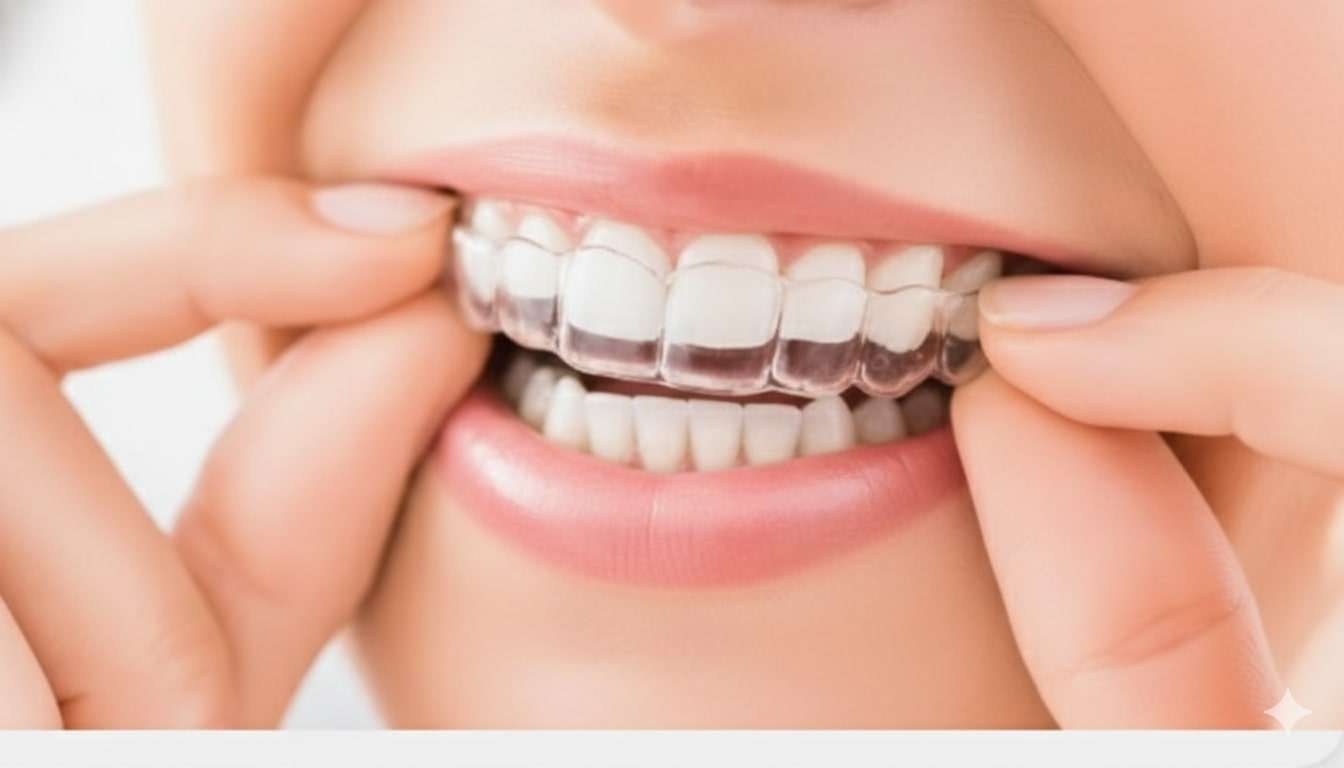
A custom oral appliance — a hard plastic guard fitted to your teeth, typically worn only at night, that gently repositions the jaw to take pressure off the joint — is still a common next step many dentists prescribe, and some patients find real relief from one. We'll be straightforward, though: the evidence on splints isn't unanimous. One randomized trial found a stabilization splint measurably reduced symptoms, but a 2022 rapid review of the guidelines took the opposite position, recommending against occlusal splint therapy for lack of strong supporting evidence — a genuine, unsettled disagreement in the research rather than a slam-dunk either way. It's still a low-risk, reversible option worth discussing, just not one we'll oversell as a guaranteed fix.
If several of these signs sound familiar, an evaluation is the best next step — TMD symptoms can overlap with other conditions, so ruling those out and confirming the diagnosis matters before starting treatment.
Sources
- TMD (Temporomandibular Disorders) — National Institute of Dental and Craniofacial Research, NIH
- Prevalence of TMJD and Its Signs and Symptoms — National Institute of Dental and Craniofacial Research, NIH
- Diagnosis and Treatment of Temporomandibular Disorders — Gauer RL, Semidey MJ, American Family Physician (2015)
- Management of Temporomandibular Disorders: A Rapid Review of Systematic Reviews and Guidelines — Tran C, Ghahreman K, Huppa C, Gallagher JE, International Journal of Oral and Maxillofacial Surgery (2022)
- Occlusal Interventions for Managing Temporomandibular Disorders — Singh BP, Singh N, Jayaraman S, et al., Cochrane Database of Systematic Reviews (2024)
Related to This Article
Have a Dental Question of Your Own?
Reach out and we'll help you find the right next step.
Schedule Your Visit Call 212-877-7475