Getting a Second Opinion on a Gum Disease Treatment Plan
Periodontal diagnosis has more room for variation between clinicians than people expect. Here's what the research shows and when a second opinion is worth it.
By Dr. Boris Zusin · Published August 22, 2026
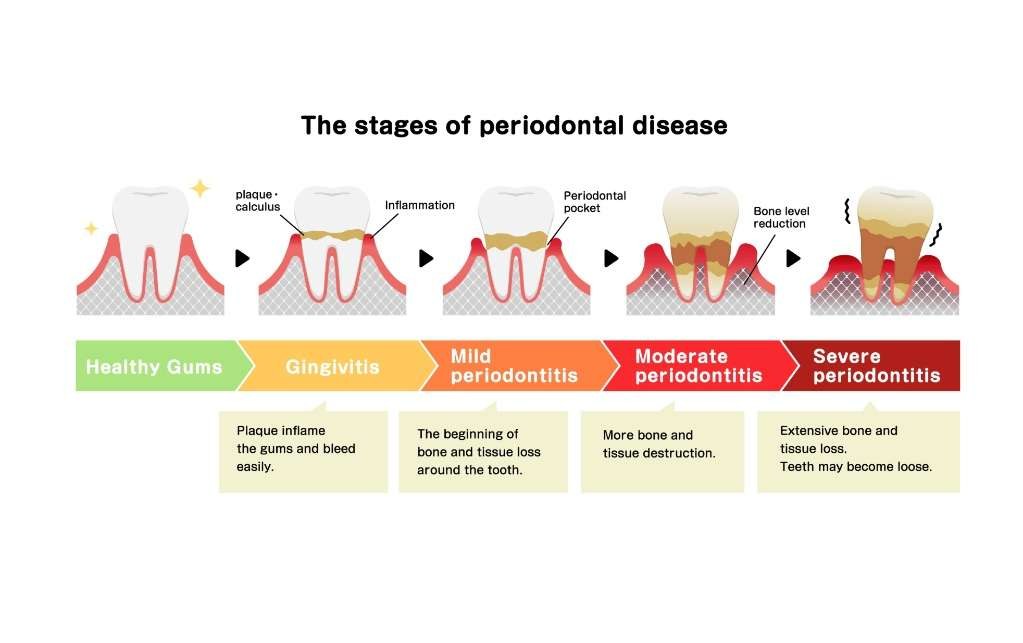
Being told you need a full-mouth deep cleaning for gum disease is a bigger recommendation than it might sound like — it's typically billed per quadrant, takes more than one visit, and is priced well above a routine cleaning. It's also a diagnosis with more room for legitimate variation between clinicians than most patients realize.
What the Research Shows
A study published in the Journal of Dental Education had experienced clinical instructors — including periodontists and general dentists — independently review the same set of patient cases. Their ratings of bone loss varied meaningfully for the same tooth, and the diagnoses offered for one case ranged all the way from gingivitis to more advanced periodontitis, with a wide range of different treatment plans proposed for identical X-rays. That's not a knock on any individual dentist — it's a reflection of how much clinical judgment genuinely factors into a periodontal diagnosis.
When to Get a Second Opinion
It's worth getting one if you're recommended a full-mouth deep cleaning at a first visit with a new dentist, if your gums aren't bleeding or sore and you weren't aware of a gum disease diagnosis previously, or if the treatment plan doesn't match what you were told at your last cleaning elsewhere.
What We'll Check
We'll measure pocket depths, review your X-rays for bone loss, and give you our own independent read — confirming the diagnosis, suggesting a more limited (site-specific) treatment instead of a full-mouth plan, or agreeing more evaluation is needed first. See our deep cleaning breakdown for what the procedure itself involves.
Contact us to schedule a periodontal exam or second opinion.
Sources
- Variation in Periodontal Diagnosis and Treatment Planning Among Clinical Instructors — Lanning SK, Pelok SD, Williams BC, et al., Journal of Dental Education (2005)
Related to This Article
Have a Dental Question of Your Own?
Reach out and we'll help you find the right next step.
Schedule Your Visit Call 212-877-7475