How to Find the Right TMJ Dentist on the Upper West Side
TMJ symptoms are easy to misattribute and easy to mistreat with the wrong device. Here's what to actually look for — and ask — when choosing a TMJ dentist near Lincoln Center or the UWS...
By Dr. Boris Zusin · Published August 21, 2026
Between Lincoln Center, Columbus Circle, and the residential blocks in between, the Upper West Side has no shortage of dental practices — but not every general dentist has real experience diagnosing and treating TMJ disorders. Since TMD symptoms are easy to misattribute (to sinus problems, tension headaches, or “just stress”) and easy to mistreat with a generic device, it's worth knowing what to actually look for before booking a consultation.
Ask Whether They Do a Real TMJ Exam
A proper TMJ evaluation goes beyond a quick look and a night guard prescription. It should include checking your jaw's range of motion, listening and feeling for clicking or crepitus at the joint, palpating the muscles of the jaw, temples, and neck for tenderness, and reviewing your bite and any history of clenching or grinding. If a first visit skips straight to a device recommendation without this kind of exam, that's worth a second opinion.
Ask About Appliance Options, Not Just One Device
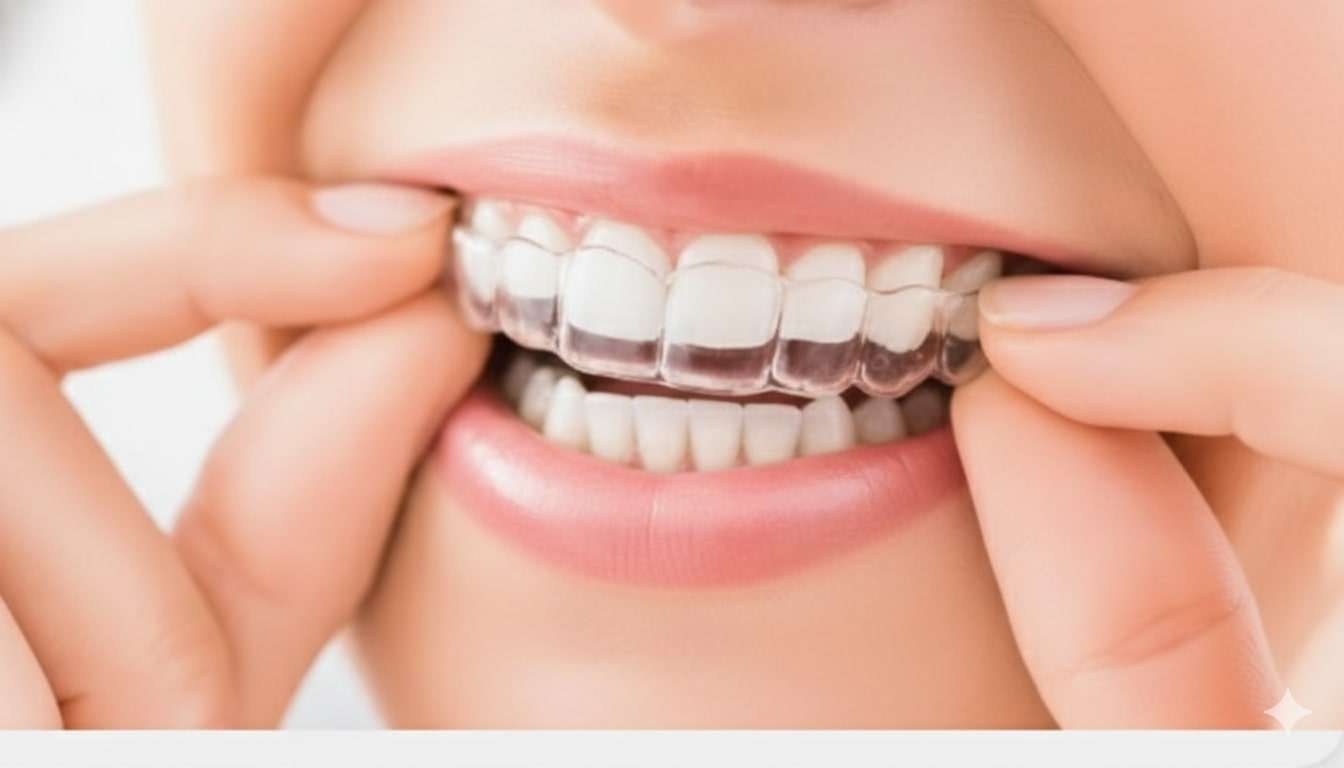
TMD isn't one-size-fits-all, and neither is treatment. A dentist experienced with TMJ should be able to explain why they're recommending a specific type of appliance for your case — and should distinguish clearly between a basic night guard and a true TMJ-specific appliance designed around your particular bite and joint findings.
Ask What They Don't Do Themselves
A trustworthy TMJ provider will be upfront about the limits of dental treatment. Conservative, evidence-supported care — appliances, habit changes, referrals for physical therapy or short-term medication when appropriate — comes first. Be cautious of any practice that jumps straight to permanent bite reconstruction, orthodontic realignment, or jaw surgery as a first-line TMJ treatment; the evidence base for those approaches in routine TMD is much thinner, and conservative treatment resolves the large majority of cases.
Red Flags Worth Noticing
A few patterns are worth being cautious about: a diagnosis and treatment plan built entirely on a quick visual exam with no discussion of your actual symptoms, pressure to commit to expensive, irreversible treatment on the first visit, or a generic appliance handed over without any adjustment or follow-up plan. TMD treatment is rarely a one-visit fix — expect some back-and-forth adjustment as part of normal care.
Local Convenience Still Matters
Because TMJ appliance therapy usually involves a few follow-up visits for fit and adjustment, choosing a practice that's actually easy to get to — near Lincoln Center, Columbus Circle, or elsewhere on the UWS — makes the process meaningfully less of a hassle than trekking across the city each time. See our TMJ Treatment Near the Upper West Side page for what a typical visit schedule looks like locally.
If you're dealing with jaw pain, clicking, or headaches and want a straightforward, evidence-based evaluation, that's exactly what a TMJ consultation at our Upper West Side office is for.
Sources
- Diagnosis and Treatment of Temporomandibular Disorders — Gauer RL, Semidey MJ, American Family Physician (2015)
Related to This Article
Have a Dental Question of Your Own?
Reach out and we'll help you find the right next step.
Schedule Your Visit Call 212-877-7475