Dentures in NYC: Types, Cost, and What to Expect
Full, partial, or implant-supported — the right denture for you depends on how many teeth are missing and what you want out of it. Here's a real breakdown of the options and what they cost in New York City...
By Dr. Boris Zusin · Published August 29, 2026
If you're missing all or most of your teeth, dentures are one of the most common ways to restore a functional, natural-looking smile — nationally, about 15% of seniors 65 and older have no remaining natural teeth, and dentures remain a mainstay treatment for that group. But "dentures" isn't one product; it's a category with several genuinely different options, and the right one for you depends on how many teeth are missing, your budget, and how much stability you want. Here's a real breakdown.
Full (Complete) Dentures
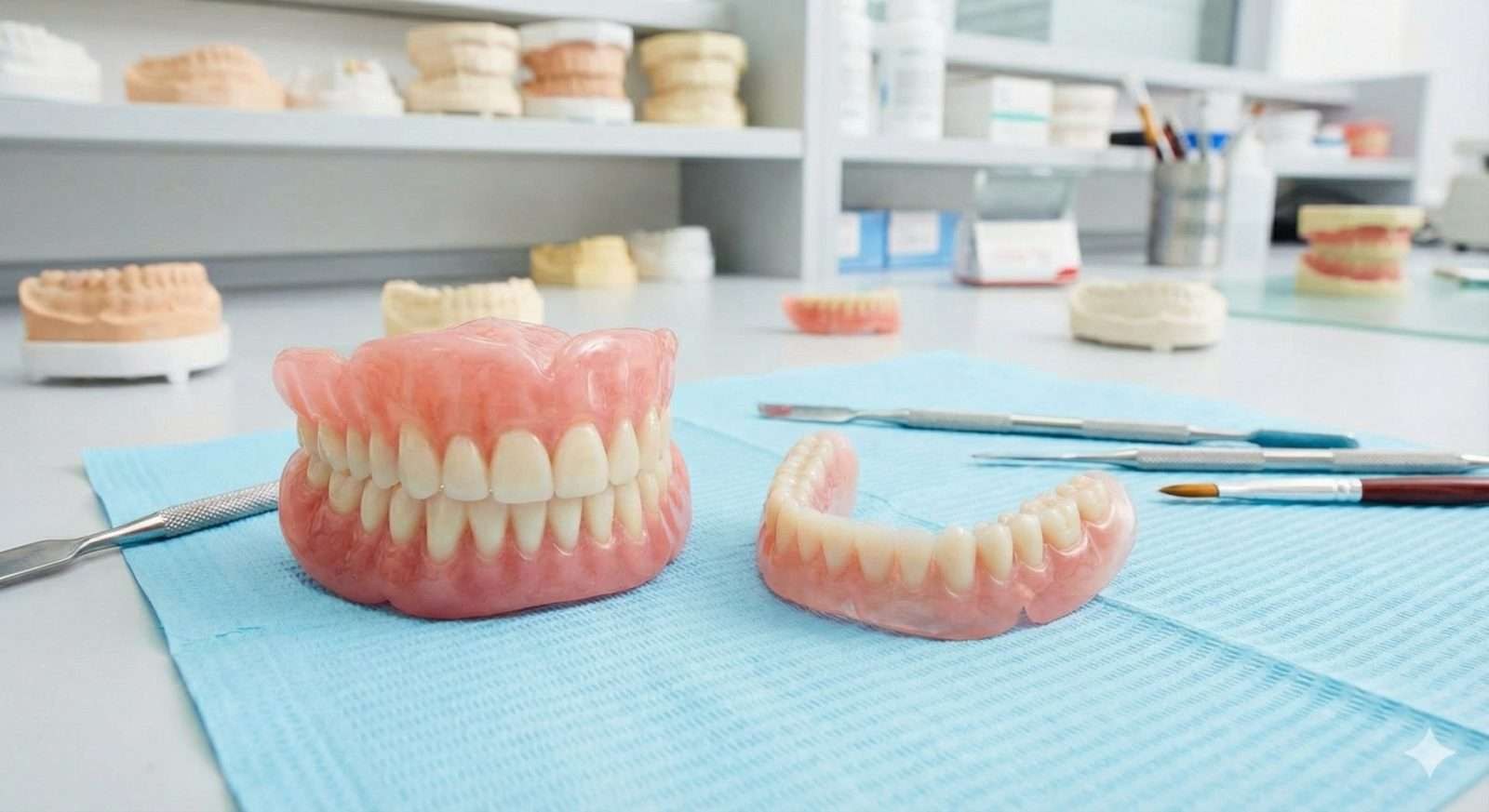
A full denture replaces an entire arch of missing teeth and rests on your gums. There are two main approaches: a conventional denture is placed after any remaining teeth are removed and the gum tissue has fully healed, which can take several months — you'd go without teeth during that healing window unless a temporary denture is used. An immediate denture is placed the same day your teeth are removed, so you're never without teeth, but it typically needs a reline once healing is complete and your gums have changed shape. In New York City, a full denture typically costs about $600–$3,000 per arch, depending on the material.
Partial Dentures
If you still have some healthy natural teeth remaining, a partial denture replaces the missing ones while using clasps or precision attachments that anchor to your remaining teeth for stability. A flexible partial — made from a lightweight, gum-colored material instead of rigid acrylic or metal — is an option for some patients who want a more comfortable, less noticeable fit. Partial dentures typically run about $700–$3,000 per arch in NYC, depending on the material and design.
Implant-Supported Dentures
Instead of resting on your gums alone, an implant-supported (or implant-retained) denture anchors to a small number of dental implants placed in the jawbone. This offers significantly more stability for chewing and speaking than a conventional denture, and it won't shift or slip the way a traditional denture can. The tradeoff is cost and timeline — implant-supported dentures require a surgical phase and healing period before the final denture is placed, and typically cost about $6,000–$15,000+ per arch once the implants themselves are factored in. See our Dental Implants page for how that surgical side of the process works.
What Affects the Cost
Within each category, price varies mainly based on the material (basic acrylic vs. a more durable, natural-looking option), whether it's an immediate or conventional denture, and — for implant-supported dentures — how many implants are placed and whether any bone grafting is needed first. An itemized estimate specific to your case is the only reliable way to know your real number, and we offer CareCredit financing for the portion insurance doesn't cover.
Getting Used to New Dentures
A new denture rarely feels completely natural right away, and that's normal. Expect increased saliva flow and mild soreness at first as your gums and cheek muscles adapt; starting with soft foods cut into small pieces makes the adjustment period easier. Speech can also feel different for the first week or two — reading out loud is a common way to retrain your tongue and lips around the new shape in your mouth. Most people need a few follow-up adjustment visits in the first weeks to get the fit right.
Caring for Your Dentures
Brush your denture daily with a denture-specific cleanser (not regular toothpaste, which is too abrasive), remove it for at least four hours out of every 24 — typically overnight — to let your gum tissue rest, and keep it in water or a denture-soaking solution when it's out so it doesn't dry out and warp. With good care, a denture typically lasts around 7–10 years before it needs to be relined or replaced as your jawbone and gum tissue naturally change shape over time. If you're newly wearing dentures, see our guide to what to expect in the first weeks, and our guide to cleaning and caring for dentures for the daily routine.
Frequently Asked Questions
It depends mainly on how many natural teeth you have left and your budget. A consultation and exam will determine whether a full, partial, or implant-supported denture fits your case, and we'll walk through the tradeoffs rather than assuming you already know which one you want.
Many dental plans cover a portion of conventional full or partial dentures, often at a lower coinsurance tier than preventive care. Coverage for implant-supported dentures varies more by plan since it involves a surgical component. We verify your specific benefits before treatment begins.
Yes, once you've adjusted. Most people start with soft foods and gradually work back to a normal diet over a few weeks as they get used to chewing with the denture in place. Implant-supported dentures generally allow for more normal chewing function sooner, since they don't shift the way a conventional denture can.
A reline adds material to the inside of an existing denture to improve the fit as your gums and jawbone change shape over time — it's a smaller, less expensive adjustment. A new denture is a full replacement, generally needed every 7–10 years or when a reline can no longer correct the fit.
Sources
- Tooth Loss in Seniors — National Institute of Dental and Craniofacial Research (NIDCR), National Institutes of Health
- Dentures — MouthHealthy, American Dental Association (ADA)
- Dentures: Types, Care & What You Should Know — Cleveland Clinic
- Implant-Supported Dentures: Process, Benefits & Care — Cleveland Clinic
Related to This Article
Have a Dental Question of Your Own?
Reach out and we'll help you find the right next step.
Schedule Your Visit Call 212-877-7475