
Is It Normal for Gums to Bleed When Brushing?
Occasional bleeding after starting a new flossing routine is one thing — gums that bleed regularly are your mouth telling you something. Here's how to tell the difference...
By Dr. Boris Zusin · Published August 1, 2026
A little blood in the sink can be alarming, but the cause matters. Sometimes it's genuinely nothing to worry about; other times it's an early signal worth acting on.
When It's Probably Temporary
If you've just started flossing more consistently, or switched to a firmer brush, mild bleeding for the first week or so as your gums adjust is common and usually resolves on its own, according to the American Dental Association's patient guidance.
When It's a Sign of Gingivitis
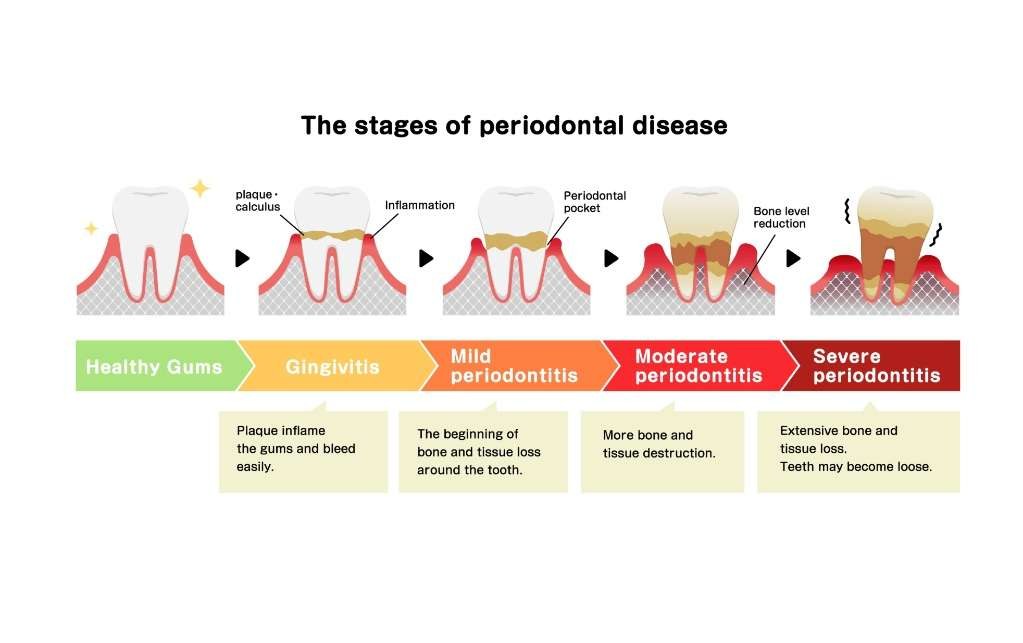
Gums that bleed regularly — not just after a change in routine — along with redness, swelling, or tenderness are the hallmark signs of gingivitis, the earliest stage of gum disease. The encouraging news is that gingivitis is fully reversible at this stage with a professional cleaning and consistent brushing and flossing at home; it doesn't have to progress any further.
What Happens If It's Left Alone
Untreated, gingivitis can advance into periodontitis, a more serious form of gum disease that can affect the bone supporting your teeth and, eventually, contribute to tooth loss. Because gum disease is often painless in its early stages, bleeding is frequently the only warning sign you get — which is exactly why it's worth taking seriously rather than assuming it will resolve on its own.
Noticing regular bleeding? It's worth having us take a look — learn more about our non-surgical periodontal treatment or schedule a visit.
Sources
- Bleeding Gums — MouthHealthy, American Dental Association (ADA)
- Gingivitis — MouthHealthy, American Dental Association (ADA)
Related to This Article
Have a Dental Question of Your Own?
Reach out and we'll help you find the right next step.
Schedule Your Visit Call 212-877-7475