What to Expect After Getting Dental Sealants
Sealants are quick, painless, and require no recovery at all — no anesthesia, no drilling, and no restrictions on eating or drinking once the appointment is done...
By Dr. Boris Zusin · Published September 5, 2026
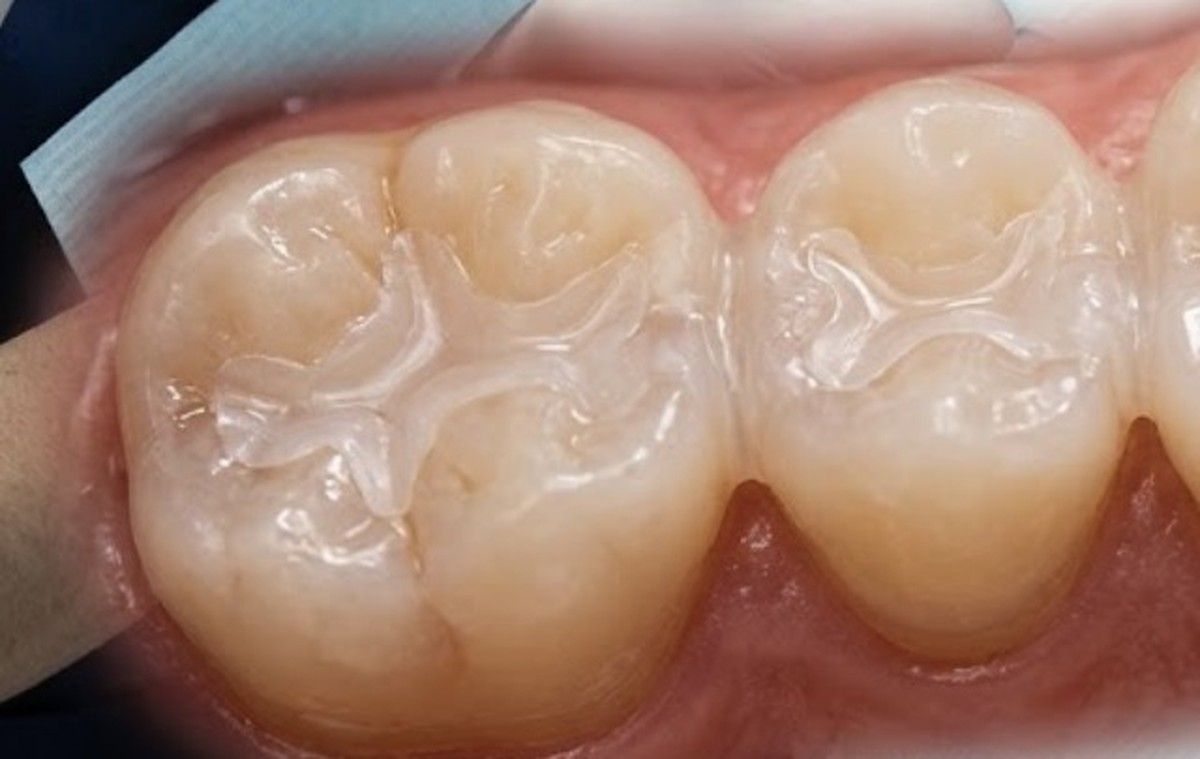
Dental sealants are one of the few dental treatments with genuinely no recovery period — you can eat, drink, and go right back to your day the moment the appointment ends. Placement involves cleaning the tooth, applying a mild etching gel, then painting on and curing a thin resin (or glass ionomer) coating into the deep grooves of the tooth. There's no drilling, no anesthesia, and no wound of any kind. Large randomized trials specifically looking for safety concerns found no reactions during treatment or in the 48 hours afterward.
What's Normal
A slightly "different" bite for a day or two. The sealed surface may feel a little high at first as your tongue and bite adjust to the new coating. Your bite is checked and any premature contact adjusted right at the appointment, so if it still feels off after a day or two, that's worth a quick call rather than something to just live with.
No pain or sensitivity. Because the enamel is only etched, not cut into, sealants don't cause the kind of post-operative sensitivity a filling sometimes can. If you notice new or lingering sensitivity in the sealed tooth, that points to something else — possibly an unsealed cavity nearby — and is worth mentioning at your next visit.
A brief taste or smell. A mild acidic or plastic-like taste from the etching gel or resin is common right after placement and fades quickly on its own.
Home Care
Eating. Resin sealants (the most common type) are fully hardened with a curing light before you leave the chair, so normal eating is fine right away. Some dentists suggest avoiding very hard or sticky foods for the rest of that day as a simple precaution. Glass ionomer sealants are a bit more sensitive to moisture early on, so it's reasonable to avoid hard chewing directly on that tooth for a few hours.
Hygiene. Keep brushing and flossing exactly as you normally would — sealants don't change your home-care routine at all. It's worth remembering that a sealant only protects the chewing surface it's placed on, not the smooth surfaces or the spaces between teeth, so regular brushing, flossing, and fluoride use still matter for the rest of the tooth.
Avoiding habits that damage sealants. Chewing ice, hard candy, or very sticky foods can chip or dislodge a sealant over time, the same way these habits stress any dental restoration.
Retention and Follow-Up
Sealants aren't permanent — they wear gradually and can partially or fully come off over time. Roughly 77–80% of resin sealants remain fully intact at two to three years, which is why they're checked at your routine cleanings rather than assumed to last forever. If a sealant has worn away, it doesn't put the tooth at any higher cavity risk than if it had never been sealed in the first place — but reapplying it restores the protection, so we'll simply touch it up or redo it when needed.
A Word on BPA
Resin sealants can release a trace amount of BPA into saliva for up to about three hours after placement. That amount is very small relative to the BPA most people are already exposed to daily through food packaging and other everyday sources, and both the American Dental Association and independent systematic reviews have concluded it doesn't represent a meaningful health risk. Wiping down and rinsing the sealed tooth right after placement further reduces this brief exposure. If BPA is still a concern for you or your child, a glass-ionomer sealant is a BPA-free alternative worth discussing.
Sealants are about as low-friction a preventive treatment as dentistry offers — no anesthesia, no downtime, and no real adjustment period beyond a day or two of bite awareness. See our Dental Sealants page for more on who's a good candidate and which material might make sense for your case.
Sources
- Evidence-Based Clinical Practice Guideline for the Use of Pit-and-Fissure Sealants: A Report of the American Dental Association and the American Academy of Pediatric Dentistry — Wright JT, Crall JJ, Fontana M, et al., Journal of the American Dental Association (2016)
- Pit and Fissure Sealants for Preventing Dental Decay in Permanent Teeth — Ahovuo-Saloranta A, Forss H, Walsh T, et al., Cochrane Database of Systematic Reviews (2017)
- Pit and Fissure Sealants Versus Fluoride Varnishes for Preventing Dental Decay in the Permanent Teeth of Children and Adolescents — Kashbour W, Gupta P, Worthington HV, Boyers D, Cochrane Database of Systematic Reviews (2020)
- Retention and Caries-Preventive Outcomes of Glass Ionomer-Based Fissure Sealants in Children: A 24-Month Split-Mouth Randomized Controlled Trial — Kucukyilmaz Izgi E, Bolukbasi B, Kavrik F, Timarci I, Savas S, Scientific Reports (2026)
- The Effects of Material Type, Salivary Contamination and Adhesive Application on the Performance of Pit and Fissure Sealants — Gok A, Bilge K, Gok T, PLoS One (2026)
- Optical Analysis of the Behavior of Sealants Under Mechanical, Thermal and Chemical Stress — Erbe C, Deckers F, Schmidtmann I, Heider J, Wehrbein H, Scientific Reports (2021)
- Effectiveness of Pit and Fissure Sealants Bonded With Different Adhesive Systems: A Prospective Randomized Controlled Trial — Erbas Unverdi G, Atac SA, Cehreli ZC, Clinical Oral Investigations (2017)
Related to This Article
Have a Dental Question of Your Own?
Reach out and we'll help you find the right next step.
Schedule Your Visit Call 212-877-7475