TMJ Self-Care at Home: What Actually Helps
Before appliances or physical therapy even come up, a handful of everyday habit changes can meaningfully calm down TMD symptoms — here's what's actually worth doing at home...
By Dr. Boris Zusin · Published August 22, 2026
Most cases of TMD are managed successfully with conservative care, and a real part of that conservative approach happens outside the dental chair — in the everyday habits and choices that either calm the joint down or keep aggravating it. None of this replaces a proper evaluation if symptoms are significant, but it's genuinely useful groundwork.
Go Soft on Your Diet Temporarily
During a flare-up, switching to a softer diet reduces the repetitive load on an already irritated joint. That means favoring foods that don't require wide opening or heavy, prolonged chewing — scrambled eggs, soups, pasta, yogurt, cooked vegetables — over whole apples, bagels, chewy meats, and gum. This isn't a permanent diet change; it's a short-term way to let an acute flare settle. See our TMJ Appliances FAQ for a fuller list of foods to avoid during a flare.
Heat and Cold
A warm compress held against the jaw muscles for 10–15 minutes can relax tight, overworked muscles and improve blood flow, which many patients find soothing for muscle-related jaw pain. Cold packs are more often useful for acute inflammation or after a specific aggravating event. Neither is a cure, but both are low-risk and can meaningfully take the edge off day to day.
Notice and Interrupt Clenching
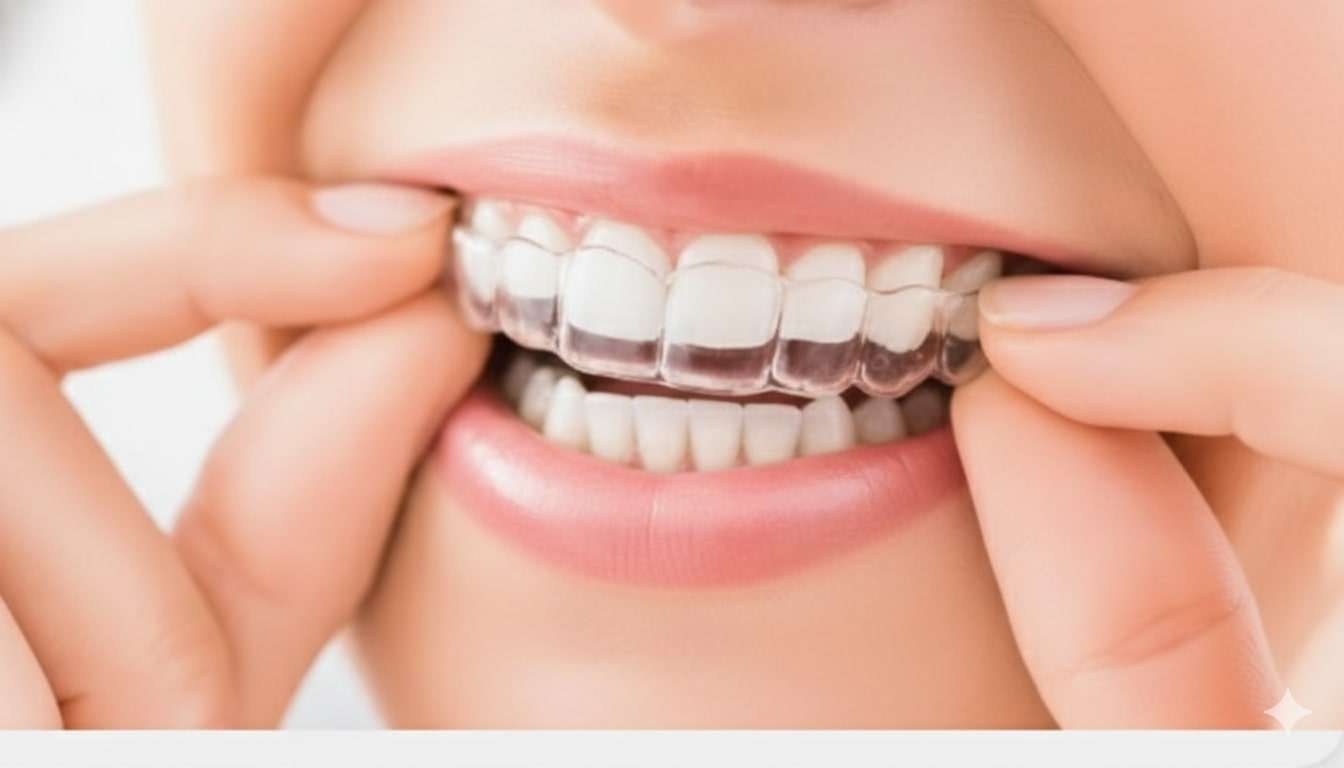
Many people clench or grind without realizing it, especially during concentration, stress, or sleep. Simple awareness — periodically checking whether your teeth are touching during the day and consciously relaxing your jaw to the resting position described in our TMJ exercises guide — can reduce unnecessary muscle load. For nighttime clenching, that's exactly what a properly designed TMJ appliance is built to address, since awareness alone doesn't work while you're asleep.
Mind Your Posture
Head-forward posture — common with long hours at a desk or looking down at a phone — changes the resting position of the jaw and neck muscles and can add strain to the TMJ indirectly. Periodically resetting your posture (ears over shoulders, chin gently tucked) throughout the day is a small habit that can add up.
Watch the Wide-Open Moments
Wide yawns, biting into large sandwiches or whole fruit, and long dental or medical procedures that require holding your mouth open can all aggravate a sensitive joint. Supporting your jaw with your hand during a big yawn, cutting food into smaller pieces, and mentioning TMD to any provider before a procedure that requires prolonged opening are all reasonable precautions.
Over-the-Counter Relief, Used Short-Term
Over-the-counter NSAIDs (like ibuprofen) can help manage pain and inflammation during a flare when used as directed for a limited period. They're a reasonable short-term tool, not a long-term management strategy — ongoing pain that keeps requiring medication is a sign the underlying issue needs a real evaluation rather than repeated symptom management.
When Self-Care Isn't Enough
These habits genuinely help many mild cases, and even for more significant TMD they're a useful complement to other treatment. But if symptoms persist beyond a couple of weeks, keep recurring, or include locking, significant limitation in opening, or pain that's getting worse rather than better, that's the point where self-care on its own isn't sufficient and it's time for an actual evaluation.
Sources
- Diagnosis and Treatment of Temporomandibular Disorders — Gauer RL, Semidey MJ, American Family Physician (2015)
- Effectiveness of Exercise Therapy on Pain Relief and Jaw Mobility in Patients with Pain-Related Temporomandibular Disorders: A Systematic Review — Shimada A, Ogawa T, Sammour SR, Narihara T, Kinomura S, Koide R, Noma N, Sasaki K, Frontiers in Oral Health (2023)
Related to This Article
Have a Dental Question of Your Own?
Reach out and we'll help you find the right next step.
Schedule Your Visit Call 212-877-7475