How to Recognize and Respond to a Dental Abscess
A dental abscess is a genuine infection, not just a bad toothache — here's how to recognize the signs and what to do while you get to a dentist...
By Dr. Boris Zusin · Published August 8, 2026
A dental abscess isn't just a bad toothache — it's a genuine infection, and it's one of the few dental problems that can become medically serious if it's ignored. Here's how to tell what you're dealing with and what to do about it.
What Causes an Abscess
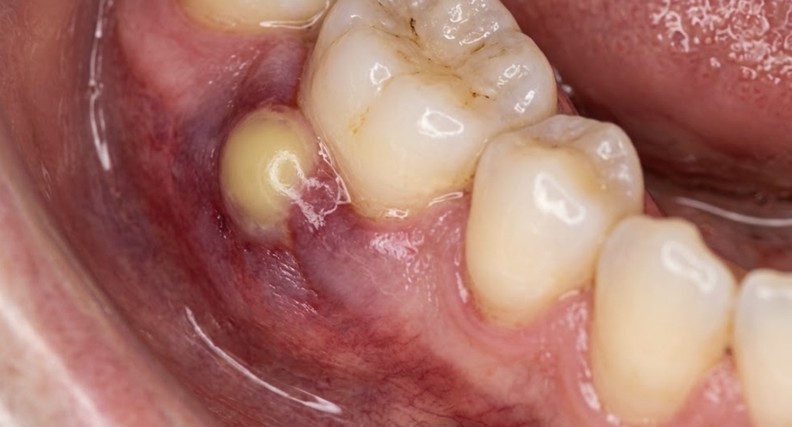
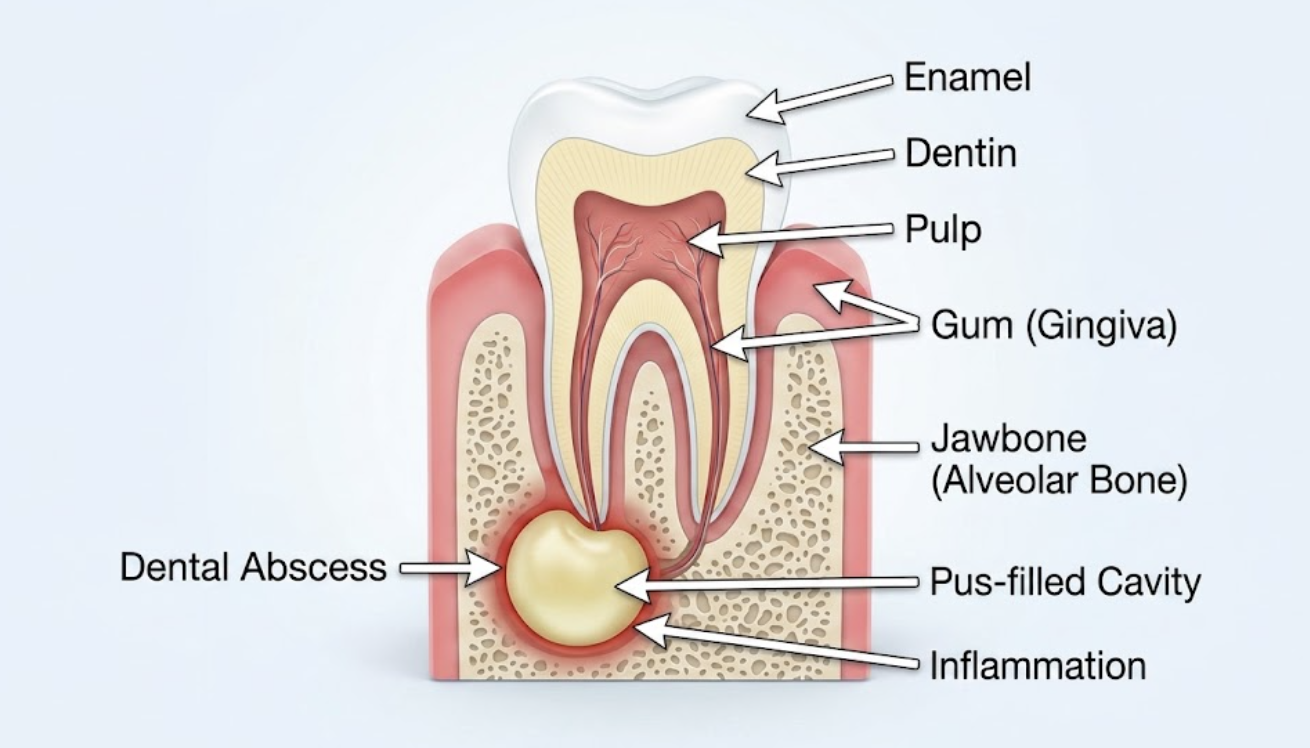
According to the American Dental Association, an abscess forms when bacteria from tooth decay, gum disease, or a cracked tooth reach the pulp — the soft tissue inside the tooth — and the resulting infection builds into a pocket of pus at the root tip in the jawbone.
Warning Signs to Watch For
The most common signs are a persistent, throbbing toothache, swelling in the face or cheek, sensitivity to hot and cold that lingers well after the stimulus is gone, a bad taste or odor, and sometimes a fever. Swelling that's spreading, or that's making it harder to swallow or open your mouth fully, is a more urgent version of the same problem.
What to Do While You Get to a Dentist
Rinse gently with warm salt water several times a day, which can ease discomfort and help keep the area clean. An over-the-counter pain reliever like ibuprofen can help in the meantime — but skip aspirin directly on the gum, which can actually irritate the tissue. Avoid heat on the area, since it can encourage swelling, and stick to soft, lukewarm foods on the other side of your mouth.
Why You Can't Just Wait It Out
Left untreated, an abscess can spread into the jawbone and surrounding tissue, and in rare cases beyond that. It won't resolve on its own — even if the pain temporarily eases as pressure finds a way to drain, the infection is still there. Treatment usually means draining the infection, then either a root canal or extraction depending on how much of the tooth can be saved, sometimes alongside antibiotics.
If you're dealing with facial swelling, a fever, or pain that's getting worse rather than better, call us right away — see our Dental Emergencies page for more on what counts as urgent.
Sources
- Abscess — MouthHealthy, American Dental Association (ADA)
Related to This Article
Have a Dental Question of Your Own?
Reach out and we'll help you find the right next step.
Schedule Your Visit Call 212-877-7475