How to Floss and Brush With Braces or Invisalign
Braces and aligners both change your daily hygiene routine — in different ways. Here's how to actually keep your teeth clean through either kind of treatment...
By Dr. Boris Zusin · Published August 2, 2026
Braces and clear aligners both change your daily hygiene routine, just in different ways — braces add hardware you have to clean around, while aligners trap whatever's on your teeth against them for hours at a time if you're not careful. Here's how to handle each.
With Traditional Braces: Brushing
Brush after every meal if you can, since food catches on brackets and wires in a way it wouldn't otherwise. Angle the brush both above and below each bracket — not just straight across — to actually clean the surface underneath, and consider an interdental or "proxy" brush (a small brush shaped like a pipe cleaner) to clean directly around brackets and under wires where a regular brush can't reach well.
With Traditional Braces: Flossing
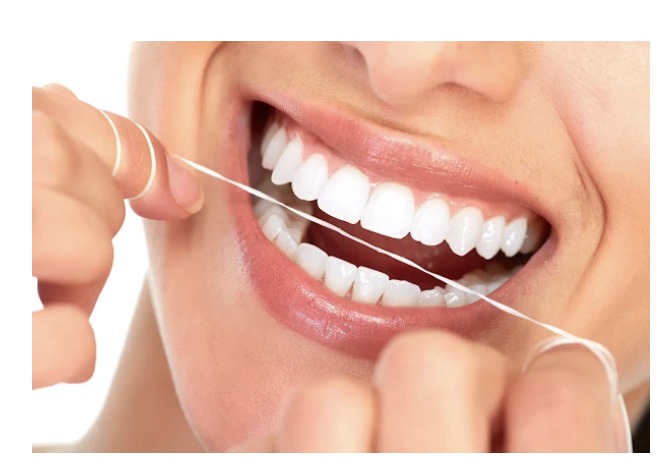
Regular floss can't get between teeth with a wire in the way, so use a floss threader or orthodontic floss (which has a stiffened end built in) to guide the floss under the wire before flossing normally between each pair of teeth. A water flosser is also a genuinely useful add-on for braces specifically — it doesn't replace flossing entirely, but it's very effective at clearing debris from around brackets that a brush alone misses.
The Real Risk With Braces: White Spot Lesions
The biggest long-term risk with braces isn't cavities in the usual sense — it's white spot lesions, permanent light patches of demineralized enamel that form around brackets when plaque is left to sit for months at a time. Unlike a cavity, these don't go away once the braces come off; they're a cosmetic result of inconsistent cleaning during treatment, which is exactly why the extra brushing effort during braces matters so much.
With Invisalign or Clear Aligners
The routine is different but just as important: always brush and floss normally before putting your aligners back in — never put clean aligners over unbrushed teeth, since that traps plaque and bacteria against your enamel for hours. Never eat or drink anything except water while wearing aligners; food particles and sugary or acidic drinks get trapped directly against the tooth surface, which is worse than normal exposure since there's no saliva flow to help rinse it away.
Cleaning the Aligners Themselves
Rinse your aligners every time you take them out, and brush them gently (a soft toothbrush, no toothpaste — it's abrasive and can scratch the clear plastic, making it more visible) at least once a day. Soaking in a clear retainer or aligner cleaning solution periodically helps prevent the cloudy buildup that makes aligners noticeably worse.
Whichever treatment you're in, we check in on hygiene at every adjustment or aligner-check visit — a quick technique correction early on prevents most of the problems that come up later in treatment.
Related to This Article
Have a Dental Question of Your Own?
Reach out and we'll help you find the right next step.
Schedule Your Visit Call 212-877-7475