Dark Spot on a Tooth? What It Could Mean
A dark spot on a single tooth is different from general yellowing — it's often localized to one specific cause, and a few of those causes are worth acting on quickly...
By Dr. Boris Zusin · Published August 1, 2026
General yellowing across all your teeth is usually just staining from food, drinks, or age. A dark spot on one specific tooth is a different situation — it's typically localized to a specific cause, and a few of those causes are worth taking seriously.
Tooth Decay
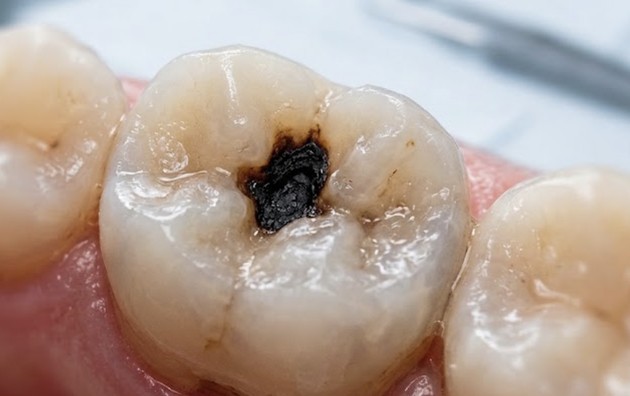
A dark spot, especially one that feels soft or rough rather than smooth, is often a cavity — decay that's darkened as it's progressed. This is the most common cause and generally needs a filling before it grows any larger.
A Dying or Injured Nerve
If a single tooth has gradually darkened — sometimes gray, sometimes brownish — especially following an injury to that tooth (even one from years ago), it can be a sign the nerve inside has died or is dying. This doesn't always come with pain, which is part of what makes it easy to miss. It's a genuine reason to be seen, since an infection can develop at the root even without obvious symptoms.
Staining Around an Old Filling
Older fillings, particularly at the margins where the filling meets the natural tooth, can develop staining or a grayish tint over time as the material ages or the seal wears. This is more of a cosmetic issue than an urgent one, though it can be a sign the filling itself needs replacing.
What to Do
Because a couple of these causes involve the tooth's nerve, a dark spot on a single tooth is worth having examined rather than assumed to be simple staining — particularly if the tooth has ever been injured. Schedule an exam, or learn about our root canal referral process if a nerve issue turns out to be the cause.
Related to This Article
Have a Dental Question of Your Own?
Reach out and we'll help you find the right next step.
Schedule Your Visit Call 212-877-7475