
Best Sleep Position to Stop Snoring: What the Evidence Shows
Sleeping on your back is one of the most common snoring triggers — here's why position matters so much, what the research says about fixing it, and who it actually helps...
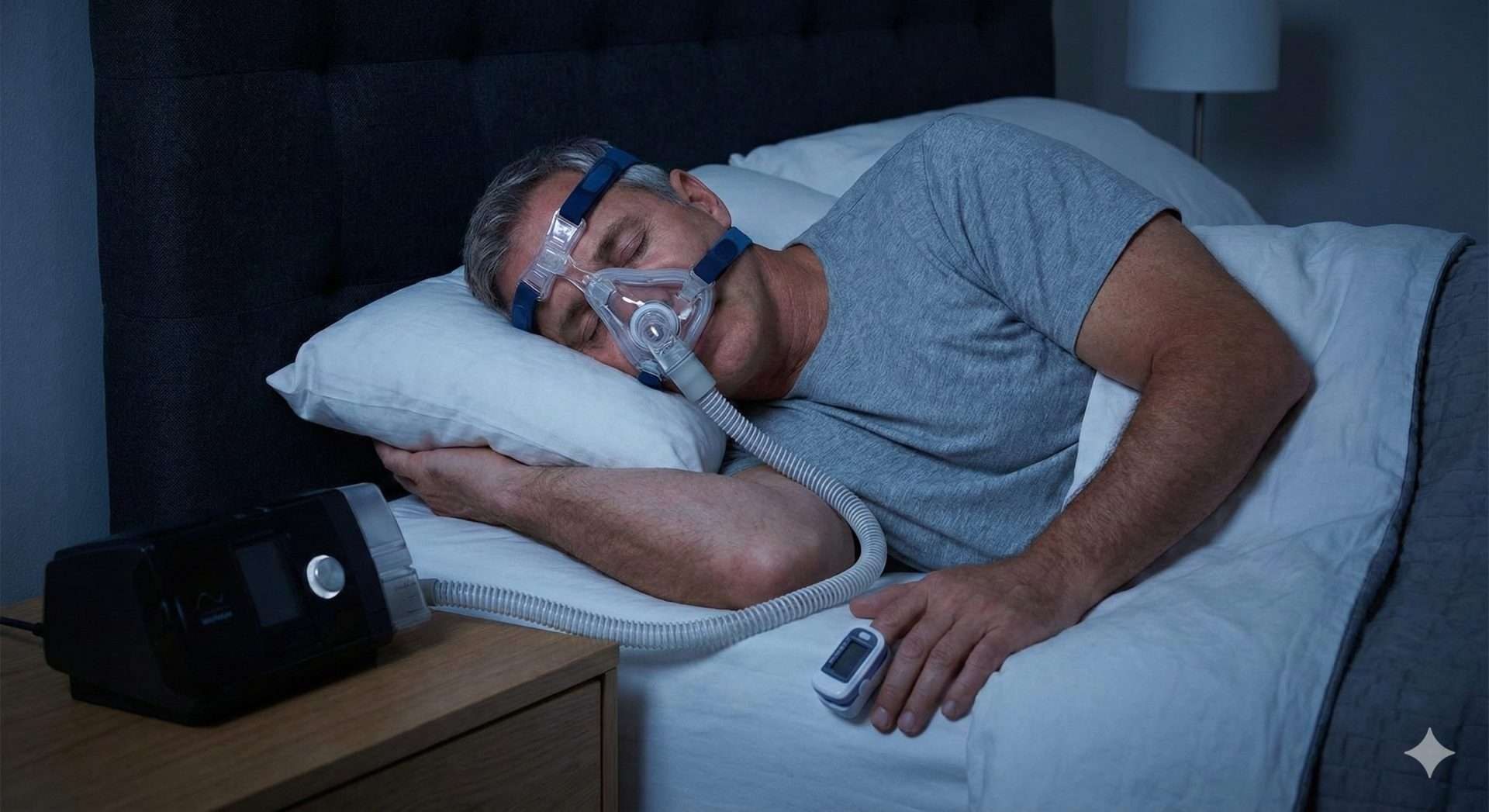
By Dr. Boris Zusin · Published August 22, 2026
Ask anyone who shares a bed with a snorer and they'll likely tell you it gets worse when their partner rolls onto their back. That's not a coincidence — sleep position is one of the most consistent, well-documented factors in snoring severity, and for a real subset of people, it's the single biggest lever they can pull.
What Is the Best Sleeping Position to Stop Snoring?
Side sleeping is the position most consistently linked to less snoring. Lying on your back lets gravity pull the tongue and soft palate backward into the airway, narrowing it and increasing the tissue vibration that causes snoring; on your side, that same tissue tends to fall away from the airway instead of into it. Sleeping on your stomach can offer a similar benefit, though it comes with its own downsides for neck and spine comfort, which is why side sleeping is generally the more sustainable recommendation. None of this is a fix for every snorer — it helps most for the subset of people whose snoring is clearly position-dependent, meaning it's noticeably worse on the back and better on the side.
Why Back-Sleeping Makes Snoring Worse
When you lie on your back, gravity pulls the tongue and soft palate backward toward the throat, narrowing the airway and increasing the vibration that causes snoring. Roll onto your side, and that same tissue tends to fall away from the airway instead of into it — which is why so many people (and their partners) notice snoring drop off noticeably with a position change alone.
What the Research Actually Shows
This isn't just folk wisdom. A meaningful share of people with obstructive sleep apnea — estimates in the research range from roughly 56% to 75% — have what's called position-dependent OSA, meaning their breathing disruptions are significantly worse lying on their back than on their side. In studies of positional therapy (methods that keep people off their backs during sleep), the effect on the apnea-hypopnea index has been substantial, with meaningfully fewer breathing events per hour once time spent on the back was reduced. Professional sleep medicine guidance recognizes positional therapy as a legitimate secondary treatment for this specific pattern, though it's generally considered less effective than CPAP for moderate-to-severe cases.
How People Actually Stay Off Their Backs
The classic low-tech method is sewing a tennis ball into the back of a pajama shirt, making back-sleeping physically uncomfortable enough to avoid. More recent options include wearable positional trainers — small devices worn on the chest or neck that vibrate gently when you roll onto your back, prompting a shift without fully waking you. Both approaches work on the same principle: making supine sleep the path of more resistance.
Who This Helps Most
Positional therapy tends to help most for people whose snoring or mild sleep apnea is clearly worse on their back and notably better on their side — something you or a partner can often already sense, even before a sleep study confirms it. It's less useful for snoring that happens regardless of position, which points more toward airway anatomy, nasal obstruction, or weight-related factors than position alone.
The Real-World Catch: Sticking With It
The honest limitation of positional therapy is long-term compliance — sleeping through the night without unconsciously rolling back over is harder than it sounds, and adherence tends to drop off over time for a lot of people. That's part of why positional therapy is often used alongside, rather than instead of, other approaches.
Combining Position With Other Treatment
Sleep position is a genuinely useful, zero-cost first thing to try, especially if you've noticed the position pattern yourself. But for habitual snoring that persists regardless of position, or that comes with the warning signs of sleep apnea, a custom oral appliance addresses the airway mechanism directly, regardless of which way you're facing. For patients already on an oral appliance who still notice symptoms mainly on their back, combining positional therapy with the appliance has been shown to outperform either one alone.
If you're not sure whether your snoring is position-dependent or more persistent, tracking it for a couple of weeks (or asking a partner to notice the pattern) is a useful, free first step before deciding what to try next.
Sources
- Positional Therapy for Obstructive Sleep Apnoea — Srijithesh PR, Aghoram R, Goel A, Dhanya J, Cochrane Database of Systematic Reviews (2019)
- Snoring — Diagnosis and Treatment — Mayo Clinic
Related to This Article
Have a Dental Question of Your Own?
Reach out and we'll help you find the right next step.
Schedule Your Visit Call 212-877-7475